Custom Metal Gates in Carlsbad, CA
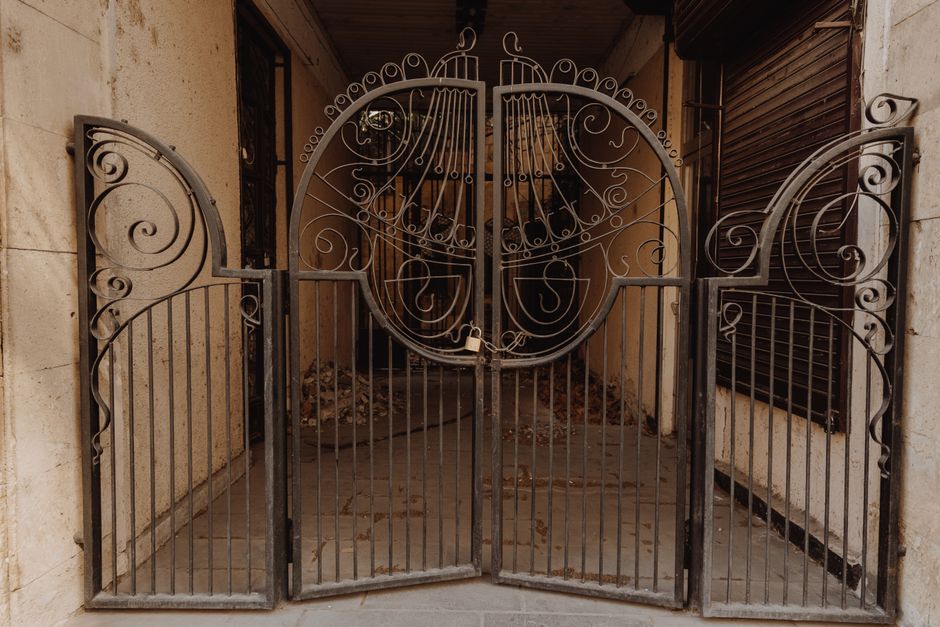
Plain answers about custom metal gates for Carlsbad homes: choosing metals that cope with salt air and the marine layer, how gates are built and hung, and how to keep them swinging true for years.
What We Cover
- Which Gate Metal Holds Up Best in Coastal Salt Air How steel, galvanized steel, aluminum and stainless steel behave in the salt air and marine layer moisture found near Carlsbad State Beach.
- How a Custom Metal Gate Is Built and Installed A step by step look at how a custom metal gate moves from measurements and drawings through welding, finishing and final hanging.
- How to Judge Fabrication Quality Before You Hire Practical signs of good metal gate fabrication and installation that homeowners can check when comparing gate work and proposals.
- How to Prepare Your Property for a New Metal Gate What to measure, clear and check on your property before a custom metal gate is designed, so the gate fits, swings freely and stays level.
- Why Metal Gates Rust, Sag or Stick Near the Lagoons Common causes of rust, sagging and binding in metal gates exposed to moist air around Agua Hedionda Lagoon and Batiquitos Lagoon.
Custom Metal Gates in Carlsbad, CA
Salt air from the coast and the persistent marine layer keep metal surfaces wet longer, so material choice and finish quality decide how long a gate lasts.
Nearby salt water exposure at Carlsbad State Beach, Agua Hedionda Lagoon and Batiquitos Lagoon illustrates the environment that accelerates corrosion, especially when the marine layer lingers over Interstate 5 toward Oceanside and Encinitas.
Local Conditions
The marine layer rolls in off the Pacific and settles over the city, especially near Interstate 5 and the coastal corridors toward Oceanside and Encinitas, holding moisture on gate frames, hinges and latches well after sunrise.
Morning fog often leaves a thin film on metal surfaces, and the salt residue from breezy onshore winds can settle into weld seams, making regular inspection a practical habit.
Material Choices
Stainless steel, hot-dip galvanized steel and aluminum alloys with marine-grade coatings resist the chloride-rich air better than plain carbon steel, and you can compare the relative performance of each alloy in the guide on which gate metal holds up best in coastal salt air.
Powder coating applied in a controlled oven provides a thicker barrier than spray paint, while anodic oxidation on aluminum adds a durable oxide layer that slows pitting.
Installation Overview
A custom gate starts with site prep, precise measurements and verification of any setback requirements; check with the local building department for pool barriers or driveway gates near the street, then fabrication follows, the frame is set, hardware is adjusted and the finish is applied on-site or in a controlled shop.
After installation, the gate should be cycled several times to confirm alignment, and any loose fasteners can be tightened before the first full season of marine layer exposure.
Guides
The guides cover how to prepare your property for a new metal gate, which gate metal holds up best in coastal salt air, how a custom metal gate is built and installed, when to install or refinish a gate under the marine layer, why metal gates rust, sag or stick near the lagoons, and how to judge fabrication quality before you hire.
Latest Guides

Custom Metal Gates Carlsbad
2026-10-25
A metal gate that moves freely by hand is the only gate ready for an automatic opener. Unlatch it and push: the leaf should travel with light, even effort and stay where you leave it. An opener will not fix a gate that binds, drags, or swings shut on its own. It will only wear out faster and reverse constantly.
Start With the Gate Itself
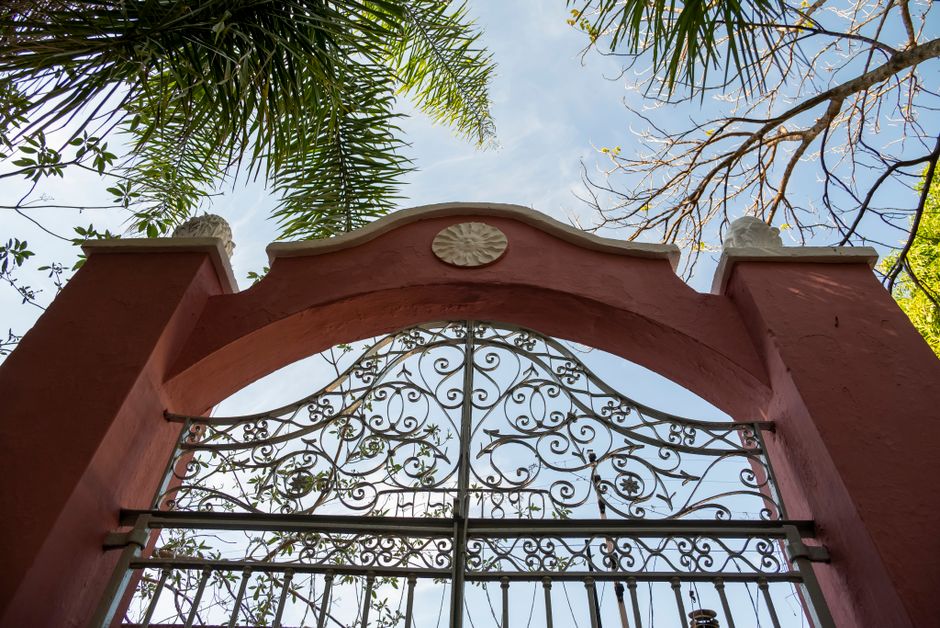
Sagging is the most common retrofit problem in Carlsbad neighborhoods. If the latch end drops or scrapes, the cause is usually worn hinges, a flexing post, or a frame that has racked out of square. Ball bearing hinges and a diagonal brace or added frame member are typical corrections. The gate must be square, plumb, and moving on its own before any operator is mounted.
The posts carry the load. A swing operator pushes against the hinge post every cycle. Steel posts set deep in concrete hold up. Wood posts, thin tube posts, and stucco or block pillars without internal reinforcement often flex or crack and may need replacing or reinforcing. On a hillside lot in La Costa, a gate post buried in shallow soil can shift with seasonal ground movement. That movement transfers directly to the operator arm.
Openers are rated by gate weight and length, and both matter. A long, light gate can stress an operator as much as a short, heavy one. Know both numbers, plus how often the gate will cycle each day, before choosing an operator. Pick one rated with margin above your gate, not right at the limit. A stronger motor will not compensate for a sagging or binding gate.
Swing or Slide: The Site Decides

Choosing swing or slide comes down to the site. A swing gate needs a clear arc with no slope rising into its path. A slide gate needs a clear run beside the opening at least as long as the gate itself. Measure both options before committing.
Sloped driveways change the choice. Many La Costa and hillside lots have driveways that climb from the street. A swing gate cannot open inward over rising ground unless it is hung higher, fitted with rising hinges, or made to swing out. Swinging out over a sidewalk or street side brings its own hazards. A slide or cantilever gate is often the cleaner answer on a slope.
Slide gates on ground track need a level, clean track. Gravel, leaves, eucalyptus debris, and blown sand stop the wheels and can trigger false obstruction reversals. A cantilever gate rides on rollers mounted to posts with no ground track, which suits slopes and debris prone driveways. It does need extra gate length behind the opening for counterbalance.
Safety Layers That Cannot Be Skipped
Entrapment protection is the core safety feature. A properly installed operator uses monitored external sensors, typically photo eyes across the opening and contact edges on the gate's leading and trailing edges. These make the gate stop and reverse when something is in its path. Ask the installer to show you which sensors cover which zones, including the area a slide gate retracts into.
Check the gate itself for pinch and reach through points. Gaps between the gate and posts, exposed rollers, and wide picket spacing near the operator can catch hands. On slide gates, mesh or screen across the lower portion of an ornamental gate keeps hands and arms out of the gap as the gate passes the post. Roller covers and guard posts close off the rest.
Put fixed controls where the user cannot touch the gate. A wall button or keypad mounted right beside a moving gate invites someone to reach through it. Place controls far enough away that the person operating the gate has a clear view of it but cannot reach it.
Mount the entry keypad for the driver. It should be reachable from a car window without the driver pulling into the gate's swing or slide path. On a swing gate, set it back from where the leaves open.
Vehicle detection is a separate system from safety sensors. A buried loop or exit wand opens the gate for departing cars. A loop in the gate's path can hold the gate open while a car sits there. Do not count loops as protection for people. They only detect vehicles.
Pedestrians need their own gate. Vehicle gates are not meant for foot traffic. If people walk in and out regularly, a separate pedestrian gate with its own latch keeps kids, guests, and delivery drivers out of the moving gate's path.
Power, Backup, and Manual Release
Know the manual release before you need it. Every operator has a way to disengage the motor and move the gate by hand. Make sure every adult in the house knows where the release is, has the key if one is needed, and has tried it. In Carlsbad's canyon edge and brush adjacent neighbourhoods, a power loss during a Santa Ana fire event is exactly when you need to get cars out fast.
Battery backup is worth having. It keeps the gate working through outages for a limited number of cycles. Batteries wear out over a few years and should be tested, not assumed good.
Power usually means trenching and a dedicated circuit. Line voltage work belongs to a licensed electrician. Low voltage wiring to photo eyes, edges, and the second leaf of a double gate also runs in conduit across or under the driveway. Plan the trenching before new paving or landscaping, not after.
Solar works here for light duty gates, but size it for June Gloom. Carlsbad gets plenty of sun overall. May and June marine layer stretches can mean days of weak charging, especially close to the coast. Panel and battery capacity should cover a run of overcast days, and the panel needs an unshaded spot facing the sun.
Coastal Durability Starts With Materials
Salt air is the main enemy near the coast. Homes in the Village, near the beaches, and around Agua Hedionda, Batiquitos, and Buena Vista lagoons see faster corrosion on gates, arms, chains, and fasteners. Hot dip galvanizing under powder coat holds up far better than paint or powder coat over bare steel. Use stainless hardware and an operator with a well sealed housing.
Welding brackets onto an existing gate burns off its coating. Mounting an operator usually means welding or drilling into the frame. Any spot where galvanizing or powder coat was removed must be cleaned and recoated properly. Untreated weld points are where coastal rust starts, and it spreads under the coating from there.
Watch for dissimilar metals. Plain steel bolts or brackets on an aluminum gate corrode quickly in salt air where the metals touch. Match fastener material to the gate or use stainless with isolating washers.
Wind, Stops, and Solid Panels
Solid gates catch wind. Full privacy panels act like sails in Santa Ana gusts. They can strain the operator, cause false reversals, or force the gate against its stops. An operator rated for the wind load helps. So does an electric lock holding the gate closed, or a louvered or partly open design.
Install positive mechanical stops at the fully open and fully closed positions. Do not rely only on the operator's electronic limits. Stops protect the gate, hinges, and drive when wind or a bump pushes the gate past its limit.
Ongoing Care That Keeps It Running
Test the safety reversal regularly. About monthly, set a sturdy object such as a cardboard box in the gate's path and confirm the gate stops and reverses. Wipe photo eye lenses, since coastal dew and salt film can weaken the beam. Recheck alignment if the gate starts reversing for no reason.
Do routine mechanical care on a schedule. Lubricate hinges and rollers and check chain tension and drive arm pins a few times a year. Near the coast, rinse the gate and hardware with fresh water periodically to slow salt buildup. Post warning signs on both sides of the gate and keep remotes away from children.
An automatic gate opener keeps people and pets safe through several layers working together. The gate moves because the structure underneath it is sound, the operator is matched to the load, the sensors cover every zone, and the power source is reliable. In Carlsbad, that also means planning for salt, slope, marine layer, and the day the power goes out when the wind is blowing from the east.
When to Install or Refinish a Gate Under the Marine Layer
2026-10-25
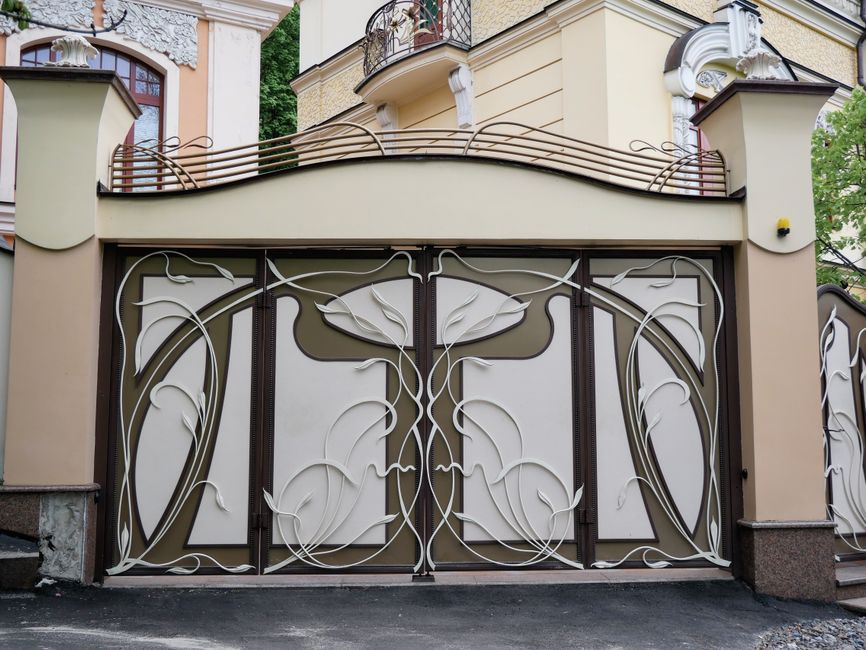
Check the metal surface for moisture before any coating work. the notes at custom metal gates carlsbad backyard beans and grains covers timing and weather for coastal installations. metal surfaces near the marine layer often hold overnight dew that blocks adhesion. carlsbad conditions demand a dry window before any powder coat or touch up. the crew checks the temperature with a handheld probe and records the reading before any brush touches the steel. a quick visual inspection confirms that no dew remains on the frame. the schedule is then locked to the afternoon window when the marine layer has cleared.
Morning Moisture and Surface Prep

In the morning the marine layer leaves a thin film on wrought iron and steel tubing. wait until the metal temperature sits several degrees above the dew point before applying any coating. a fresh water rinse removes salt that would otherwise sit under the new layer. the probe reading guides a thin primer coat before the final powder coat. residual moisture would lift the primer and weaken the bond.
Salt Removal Before Coating

Salt deposits trapped under a powder coat cause blistering and rust creep on galvanized frames. rinse the gate with clean water and let it dry fully before any touch up. this step is standard for swing gate and slide gate assemblies alike. the crew wipes the surface with a lint free cloth to avoid fibers. final inspection reveals missed spots before powder coat spray.
Concrete Footings in Damp Weather
Concrete for post footings cures through a chemical reaction with water so mild damp weather does not stop the cure. heavy rain on fresh concrete washes out surface cement and must be kept off with a cover. the same cover protects the operator and gate opener during installation. crew mixes concrete to spec slump and pours in one flow. plastic sheet covers forms weighted until surface firms.
Wind Load on Panel Gates
Solid panel gates catch far more wind than open picket gates making alignment on windy days harder and less safe. schedule the hang for a calmer afternoon when the marine layer has lifted and the metal is dry. a cantilever gate or dual swing benefits from the same timing. crew uses level and plumb bob to verify hinges before tightening bolts. torque wrench checks fasteners meet spec without over tightening.
Afternoon Coating Window
Afternoons near the coast often provide the best window for coating work because surfaces have dried after the marine layer lifts. apply the powder coat or touch up only when the metal is warm and dry. the result is a lasting finish that resists salt and wind. crew applies powder coat in thin passes allowing flash between coats. afternoon sun cures finish and reduces orange peel. gate opener programmed and system cycled for smooth operation.

Custom Metal Gate Carlsbad
2026-10-25
Choosing the Right Motion for Your Driveway
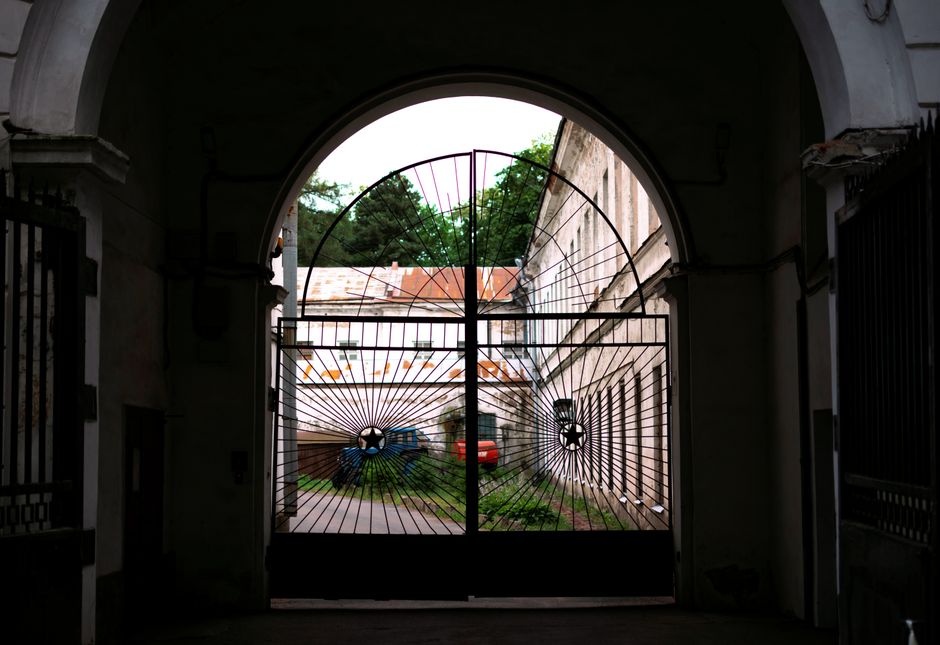
Choosing between a swing gate and a sliding gate starts with the space you have on your Carlsbad driveway. The layout of the property, the grade of the pavement, and the coastal environment all shape which motion will work reliably for years.
Measure the Swing Arc First
A swing leaf needs a clear arc inside the property roughly as deep as the leaf width. If a parked car, a planter, a low wall, or a step sits in that zone, a single leaf cannot open fully. Walk the driveway and mark the swing radius with tape before you decide.
Evaluate Driveway Slope
A driveway that rises toward the house will stop a swing leaf from clearing the pavement. Hillside lots in areas such as La Costa and Aviara often have this problem. The usual fixes are rising hinges, a leaf trimmed to follow the grade, or switching to a slider that follows the slope.
Split Wide Leaves into Two
When a single leaf would be very wide, a double leaf gate halves the swing arc for each leaf and reduces sag at the latch end. This approach works well on wider openings where a single leaf would demand too much interior clearance.
Determine Side Clearance for a Slider
A track style sliding gate needs a straight, clear run along the fence or wall at least as long as the opening. A cantilever slider needs roughly one and a half times the opening because of its counterbalance tail. Measure that side space before you commit to a slider.
Keep the Slider Path Clear
Shrubs, trash bins, utility boxes, hose bibs, and meters in the slide path will block the gate or get hit by it. Plan landscaping and utility placement so the gate's travel zone stays permanently clear.
Track vs Cantilever on Coastal Lots
A Vgroove track at ground level collects sand, leaves, and gravel; the wheels then jump or bind. Coastal lots near the beach get windblown sand, so a ground track demands regular sweeping. A cantilever gate rides on rollers mounted to posts and never touches the driveway, making it a better fit for sandy or uneven ground.
Wind Load on Solid Panels
A solid panel gate acts like a sail. During Santa Ana wind events, a large solid swing leaf strains its hinges, posts, and operator arm. Gaps between slats or a perforated infill reduce that load and protect the hardware.
Corrosion Protection Near the Ocean
Steel gates near the ocean, such as in Carlsbad Village, Terramar, or along the coast highway, should be hotdip galvanized before powder coating. Powder coat over bare steel tends to fail first at welds, cut edges, and scratches, and rust then creeps under the coating.
Aluminum vs Steel in Salt Air
Aluminum does not rust and is lighter on hinges and operators, but it is less rigid and can still pit or corrode in salt air. Steel is stronger and heavier, and it needs the galvanizing layer described above when installed close to the coast.
Avoid Mixed Metals
Stainless or galvanized hardware touching raw aluminum or bare steel can cause galvanic corrosion, which salt and moisture accelerate. Ask what the hinges, rollers, and fasteners are made of, and whether they are isolated from the gate frame.
Routine Rinse and Touch Up
A periodic freshwater rinse removes salt deposits from the gate, hinges, and rollers, especially on spots the rain does not reach such as under the top rail and around the hardware. A chip in the coating on a coastal steel gate is where rust starts; touching it up early stops corrosion from spreading under the finish.
Anchor Posts into Structure
Many Carlsbad homes have stuccoclad pillars. Hinge and operator loads must bolt into the masonry or steel core, not just the stucco skin. Otherwise the stucco cracks and the gate sags over time.
Size Footings for Each Gate Type
A swing gate puts leverage on the hinge post. A cantilever slider puts load on its roller posts. Both need deep, adequately sized concrete footings. A gate that drags or will not latch after a season often points to a post that has moved.
Match the Operator to the Gate
Swing operators and slide operators are rated for gate weight and length, and a swing operator is also rated for wind exposure. An undersized operator works at first, then wears out early or stalls on windy days.
Safety Devices and Manual Release
Every automated gate needs photo eyes, contact edges, and automatic reversal. Sliding gates have pinch points where the gate passes the posts and rollers. Swing gates can crush someone in the arc or against a wall. Openings in the gate frame near the rollers should be screened or guarded. A manual release that works during a power outage is mandatory; learn how to use it before you need it. Battery backup is worth considering for the only vehicle exit.
Run Conduit Before Paving
The operator needs power and usually a conduit for loop detectors or safety devices. Running conduit before new concrete or pavers go in avoids cutting the finished driveway later.
Inward Swing Only
A gate that opens toward the street can block the sidewalk or traffic and get hit. Driveway swing gates should open inward unless your local jurisdiction and site specifically allow otherwise. Confirm locally before ordering.
Provide Queuing Space
A short driveway leaves your car sitting in the street while a swing gate opens toward you. A slider opens without that clearance zone, but either type benefits from enough setback to pull fully off the road.
HOA Review
Many masterplanned Carlsbad neighborhoods have design review that covers gate style, height, and color. Confirm approval before fabrication starts.
Maintenance Schedule
About twice a year, and more often near the coast, lubricate hinges or rollers per the hardware maker's guidance. Also check the bolts, the gate's level, the latch alignment, and the safety sensor function, and clean the track if there is one.
Nearby Service Areas
We also cover wrought iron gates austin, tx near Austin, TX.